Growth Strategies in SEO & Digital Marketing: What Actually Works
Actionable growth strategies focus on three things: traffic quality, predictable delivery, and friction removal. Prioritize measurement frameworks, content systems tuned for intent, and technical hygiene that prevents signal dilution. By the end you can pick the two strategies to run as experiments this quarter and the metrics to watch.
Why Focus on Quality Traffic Instead of Raw Volume
Most teams chase bigger numbers because dashboards look good. What actually moves revenue is intent-aligned visits — users whose behavior predicts conversion. Quality traffic compresses the time between click and revenue and reduces wasted spend on remarketing lists full of disengaged users.
How it works: match search intent to page intent, then remove friction that kills conversion. That means using keyword clustering by task, not just by topic, and building landing experiences that complete the user’s task in under 60 seconds on mobile.
Good vs bad: a good page converts at a rate consistent with its intent bracket, measures for micro-conversions, and has retention logic. A bad page targets broad informational keywords with transactional CTAs and watches bounce rates spike.
How to Build a Content System That Scales Predictably
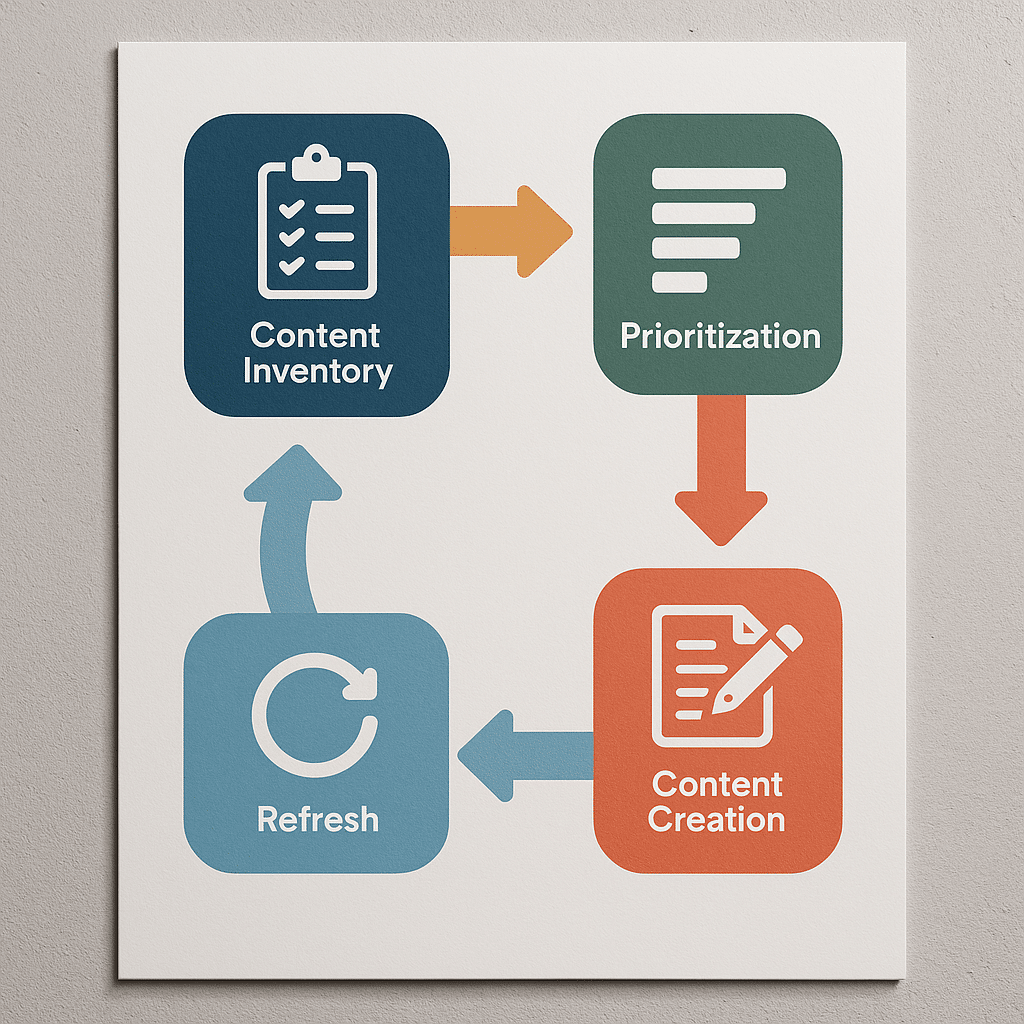
What we usually see when content efforts fail is a burst of topics without a system to audit, route, or update assets. A content system treats content like software: versioned, measured, and scheduled for refactor.
Implementation steps you can act on now:
- Inventory and tag content by user intent and business outcome.
- Prioritize a backlog using expected ROI, not just search volume.
- Commit to refresh cycles — target a 3–9 month refresh cadence for high-value pages and 12–24 months for evergreen documentation.
Failure mode and consequence: skipping regular refreshes lets competitors outrank you with incremental updates, which slowly shifts organic traffic share away from your domain over months. In practice that looks like steady traffic decline on previously high-performing pages.
Which Technical Fixes Deliver the Biggest Lift Fast?
Short answer:
Short answer: Fix indexation and canonical signals, repair fast-loading critical paths measured by Core Web Vitals, and ensure structured data for intent-specific snippets. These three typically move rankings faster than more content.
Why these matter: indexation issues literally stop pages from competing. Canonical mistakes create duplicate content that dilutes ranking signals. Core Web Vitals are observable by search engines and affect visibility for borderline pages. Structured data helps search engines understand the page’s purpose, improving click-through where the result is shown.
How to audit quickly: run a crawl with Screaming Frog to detect canonical loops and noindex tags, review Core Web Vitals in Google Search Console for pages with the highest impressions, and validate Schema with the official Structured Data Testing tool documented by Google Search Central.
Good vs bad: a good tech audit yields a prioritized list with low-effort, high-impact items that your dev team can clear in 2–6 weeks. A bad audit is a laundry list with no owner and no timeline — those issues rarely get fixed.
External resources: see the structured data guidelines at Google Search Central Structured Data and W3C recommendations for performance best practices at W3C Performance.

What Paid + Organic Mix Actually Scales with Limited Budget?
Short answer:
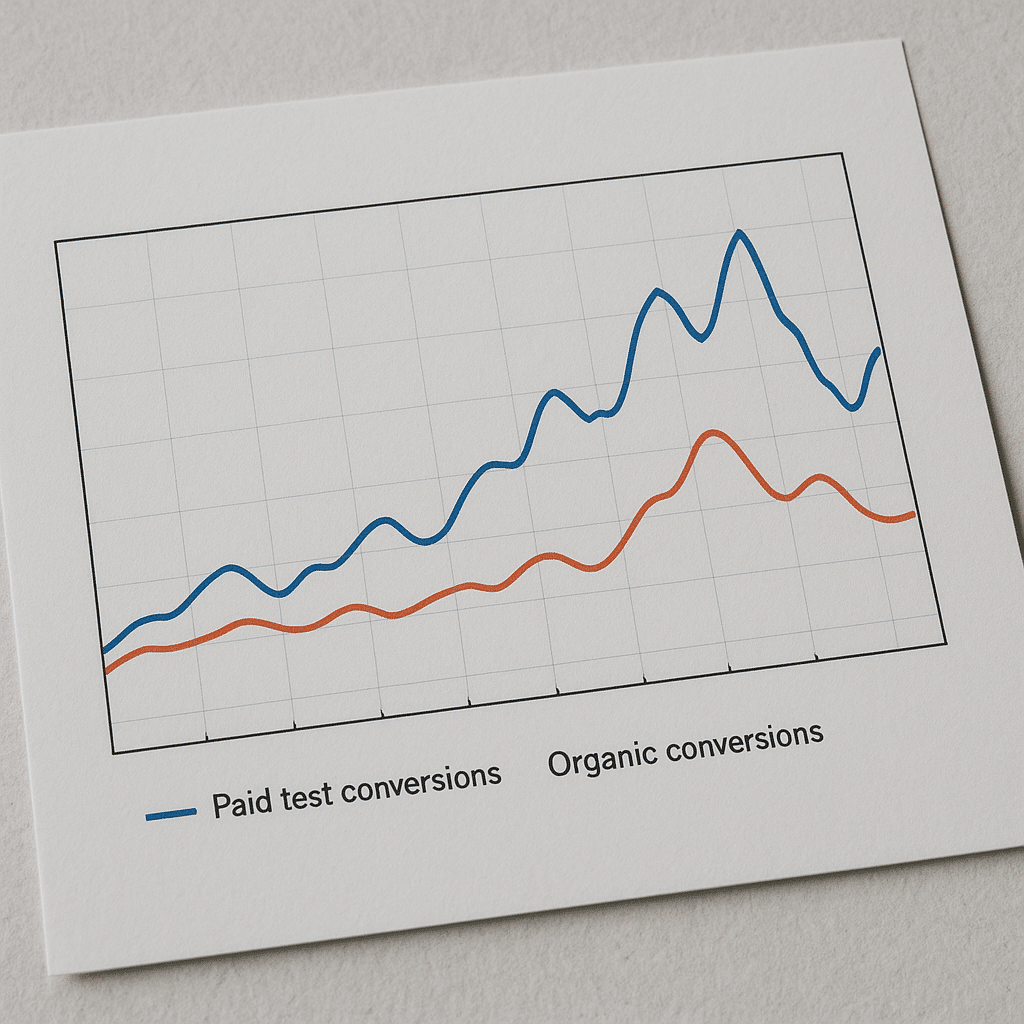
Short answer: Use paid channels to validate high-intent pages, then scale winning pages organically. Allocate paid spend to funnel inputs where conversion data is scarce, not to broadly amplify content that has no conversion path.
How it works: run small paid tests to prove a landing page’s conversion mechanics, measure cost per acquisition, then invest in organic improvements — SEO and UX — to reduce paid dependence. The paid campaign acts as a signal amplifier and a rapid experiment platform.
Good vs bad: good campaigns focus on a single hypothesis, run for a minimum duration to gather statistically useful signals, and feed learnings back to content and product. Bad campaigns spend across many variations with no hypothesis and no integration into SEO or product decisions.
Internal link example: when landing pages need creative and conversion polish we route work to our landing page design team, which is part of how we turn tests into repeatable winners at scale with the landing page design agency in Florida.
How to Use Attribution and Measurement Without Paralyzing the Team
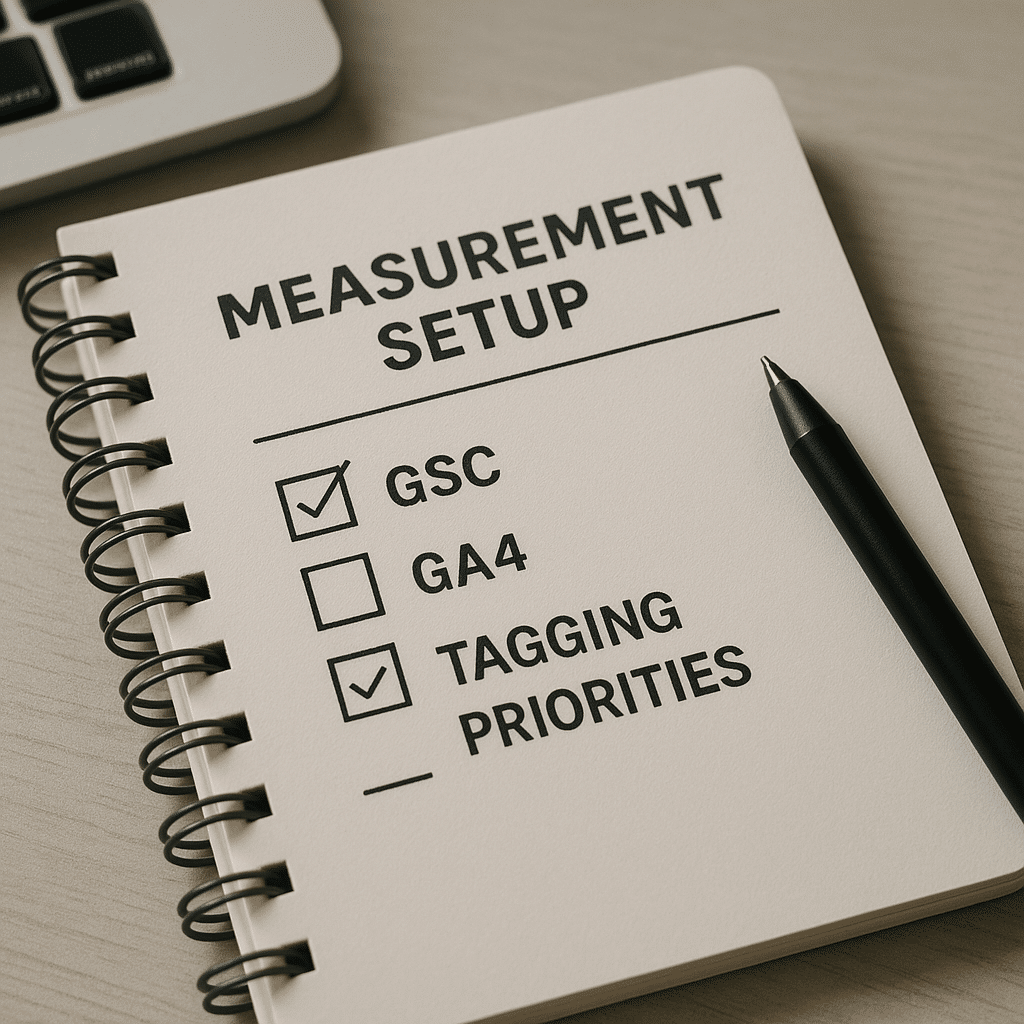
Start with an attribution contract: pick one model to run experiments against and track two business KPIs only. Complexity kills action. For many SMBs that means one primary conversion and one revenue proxy metric.
Why it works: a fixed measurement baseline prevents continuous re-optimization of minor interface elements and focuses the team on learning. In practice we’ve seen teams double the number of meaningful experiments when they limited KPIs.
Tools and specs: use Google Search Console and GA4 for baseline signals, add a lightweight attribution layer if you run multi-channel paid campaigns. For technical SEO eventing, push page-level structured events into your analytics using Schema and dataLayer patterns.
Real-World Scenario: 15-Person E-Commerce Brand with Seasonal Peaks
Scenario constraints: 15 people, 3,000 SKUs, six-week seasonal peak, limited dev time, one product manager handling SEO.
Recommended two-step plan we use for constrained teams:
- Quick win triage: identify 50 SKU pages that generate the most visits during peak, apply technical fixes and add intent-matching content snippets. Expected dev time, 2–4 weeks for front-end updates.
- Process automation: establish a template-driven approach using modular content blocks and schema to reduce future page work. This reduces page creation time and keeps structured data consistent.
Failure mode and consequence: treating all 3,000 SKUs the same leads to wasted effort and missed seasonal conversions. The observed pattern is spending months building low-impact pages while best-sellers remain under-optimized.
Internal link example: brands looking to improve product creative for seasonal pushes often pair SEO work with short-form video content to boost product discovery, as with our short form video content services in Florida.

Operational Red Flags and Questions to Ask Vendors
What actually happens when vendors underdeliver is rarely about skill. It’s usually about governance and reporting. Ask these specific questions:
- Who owns implementation and what are their SLAs, measured in business days?
- How do you measure content quality for intent, not just keyword placement?
- Which tools and crawl methods do you use for technical audits, for example Screaming Frog or site: reports?
- How do you prevent signal dilution from paginated, faceted, or duplicate pages?
Red flags: vague timelines, no named tools, or reports that show only outputs (content published) and not outcomes (traffic, conversions, revenue). If a vendor can’t show a repeatable test that produced a measurable lift, be cautious.
Internal link example: vendors who can’t iterate on creative and landing page performance typically route that work to a creative partner such as our graphic design agency in Arizona or our website redesign company in Florida to shore up conversion mechanics.
Checklist for Evaluating Growth Strategy Quality
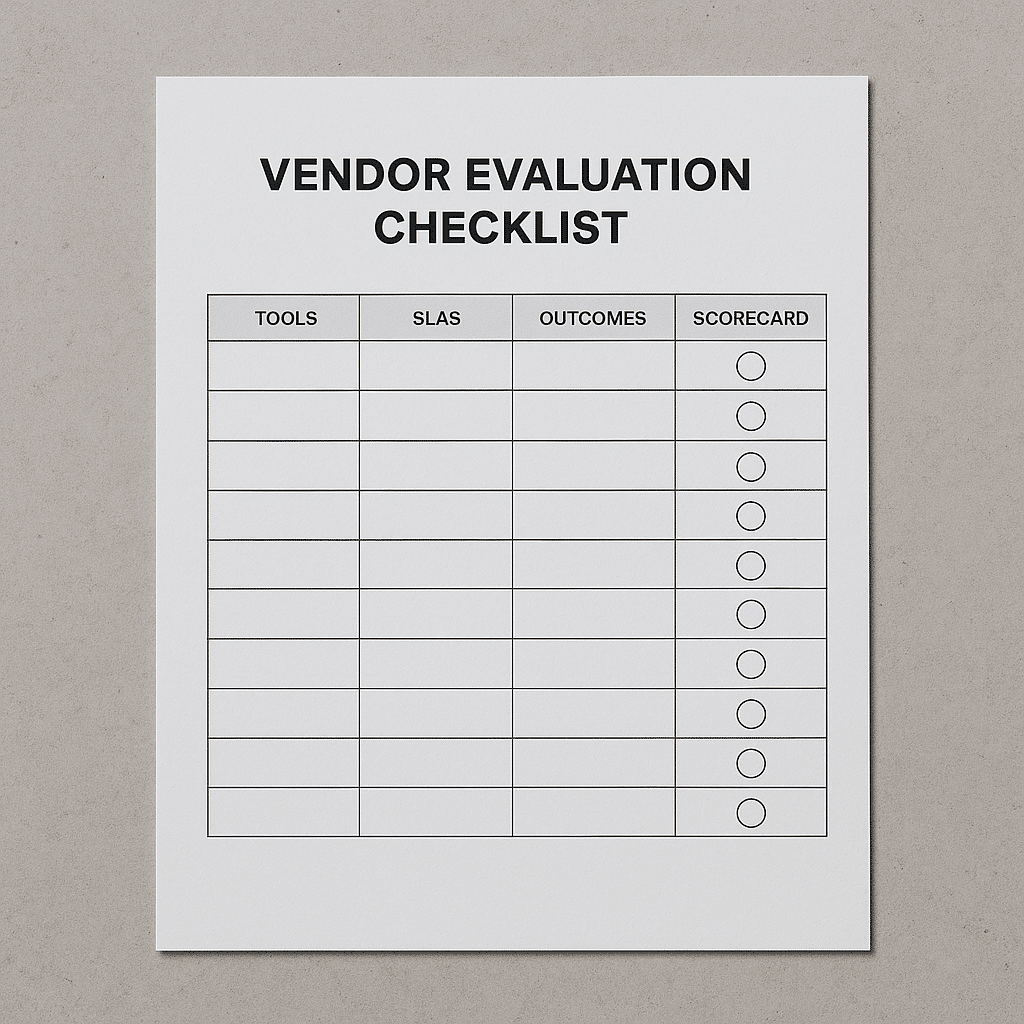
Walk into vendor meetings with this checklist and score each item 0 to 3. Use the results to decide if you run a pilot.
- Clear hypothesis for each experiment and a primary KPI.
- Named tools and processes for technical SEO, including crawl frequency and canonical rules.
- Content workflow with a documented refresh cadence of 3–9 months for priority pages.
- Measurement contract using Google Search Console and analytics, with event-level schema on conversion pages.
- Ownership for deployment, with a 2–6 week SLA for critical fixes.
For immediate action, pick two experiments: one technical (indexation or Core Web Vitals) and one content (intent-aligned landing page). Run both in parallel for at least one full conversion cycle, then decide on scale.
Image failed to generate
Checklist diagram for deciding which experiments to run this quarter
canceling statement due to statement timeout
What to Do Next
The single most useful takeaway is this: limit your experiments, instrument them precisely, and fix technical leaks before you scale content. If you can only do one thing this quarter, run a crawl to find signal dilution and fix the top 10 canonical/indexation problems — that action often unlocks existing content’s ability to compete.
Practical CTA: if you want a fast second opinion, bring a crawl export and your top 50 landing pages to the next vendor call. Ask them to map each page to an intent and state the single change they would make to improve conversion.
Related internal resources: pairing SEO with paid testing often succeeds when creative and messaging are aligned, as with our Google AdWords management and paid social advertising services. For channel-specific outreach we use SMS tactics from our SMS marketing services in Arizona and coordinate PR-driven visibility with PR and media relations.
Image failed to generate
Data visualization showing a two-experiment runway with timelines and decision gates
canceling statement due to statement timeout