Customer Retention for SEO & Digital Marketing: 5 Levers Pros Pull First
Retention is tactical, not magical: prioritize early activation, contract design, tracking hygiene, ongoing value delivery, and winback systems. Execute these five levers in sequence and you turn short trial wins into predictable revenue. By the end you’ll have a checklist to evaluate any agency or internal program.
How Do High-Retention Agencies Structure Onboarding?
Onboarding is the stage where churn signals either appear or are extinguished. What actually happens is the vendor attempts both technical and relational fixes at once: a technical audit to remove blockers, and a social contract to set expectations. The sequencing matters far more than the length of onboarding.
Short answer: Start with two parallel lanes — a 14–30 day activation lane for visible wins and a 60–90 day technical lane for foundational work — and report outcomes weekly for the first month.
Why this works: the early wins lane builds trust and reduces perceived risk, while the technical lane prevents long-term failure modes like misattributed conversions or broken tracking. Good looks like the client seeing a measurable improvement or a clear plan in the first 14–30 days and getting a working analytics baseline before month two. Bad looks like a month of vague “strategy” calls and no deliverables, which is the single biggest red flag we remove on restructured accounts.
Lever 1: Activation Metrics and Early Wins
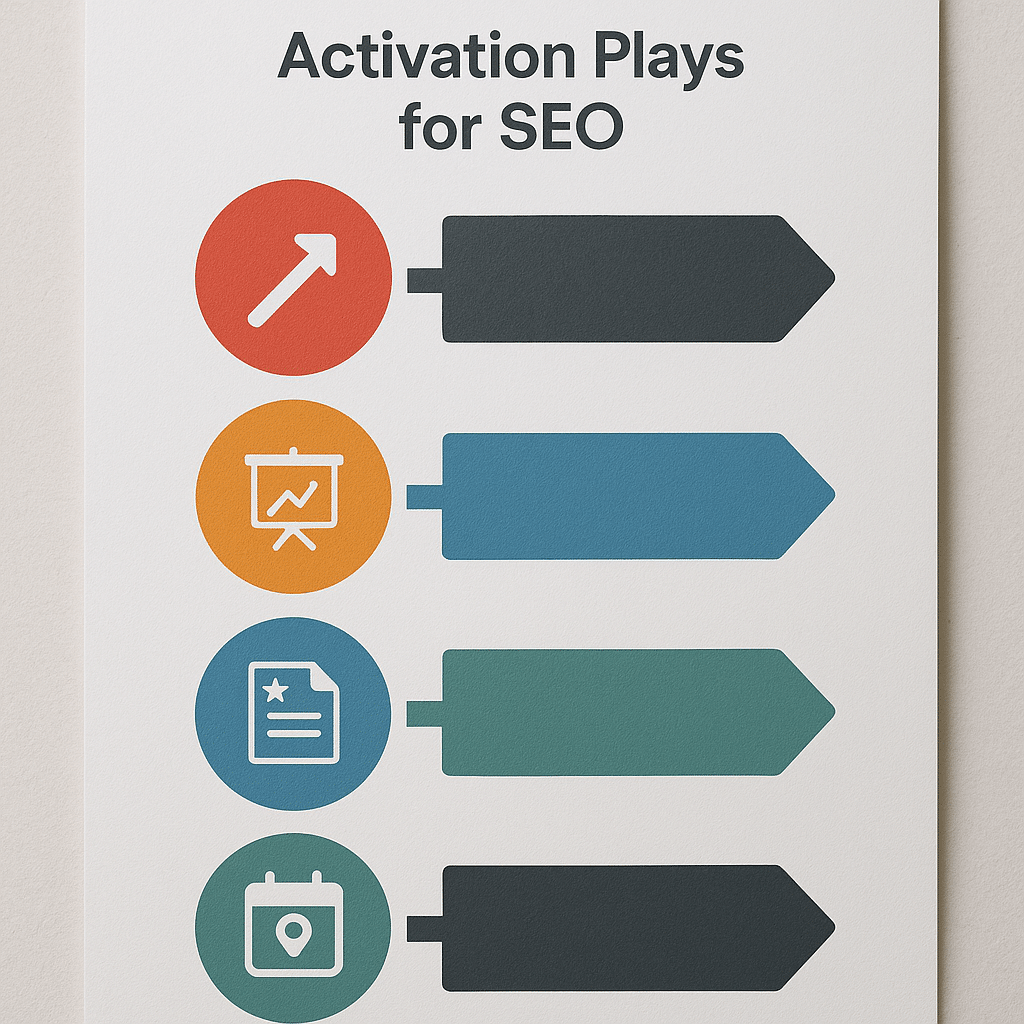
Activation is what converts initial trust into retention. In practice the plays that hold clients are small, measurable improvements tied to the client’s primary revenue stream — search landing page uplift, a technical crawl fix that immediately reduces site errors, or a conversion funnel tweak. These wins don’t need to be large, they need to be visible and attributable.
How to do it: pick two activation KPIs, map the smallest change that moves them, and publish a before-and-after report. Use tools such as Google Analytics 4 for event tracking and Hotjar for quick UX diagnostics. Good vs bad: a quality activation plan includes the exact GA4 event name, the UTM source mapping, and the expected delta; a bad plan uses vague phrases like “improve traffic” with no attribution method.
Operational ranges we use: set the activation cadence to 14–30 days and the reporting cadence to weekly for the first month. If you can’t produce a tracked baseline within 30 days, the project’s architecture is probably wrong.
Lever 2: Contracting, Pricing, and Escalator Clauses
Contracts are retention tools disguised as legal documents. What we usually see when retention fails is a contract that locks revenue but ignores shared success metrics. Professionals design contracts to align incentives and to create an exit friction that is rational, not punitive.
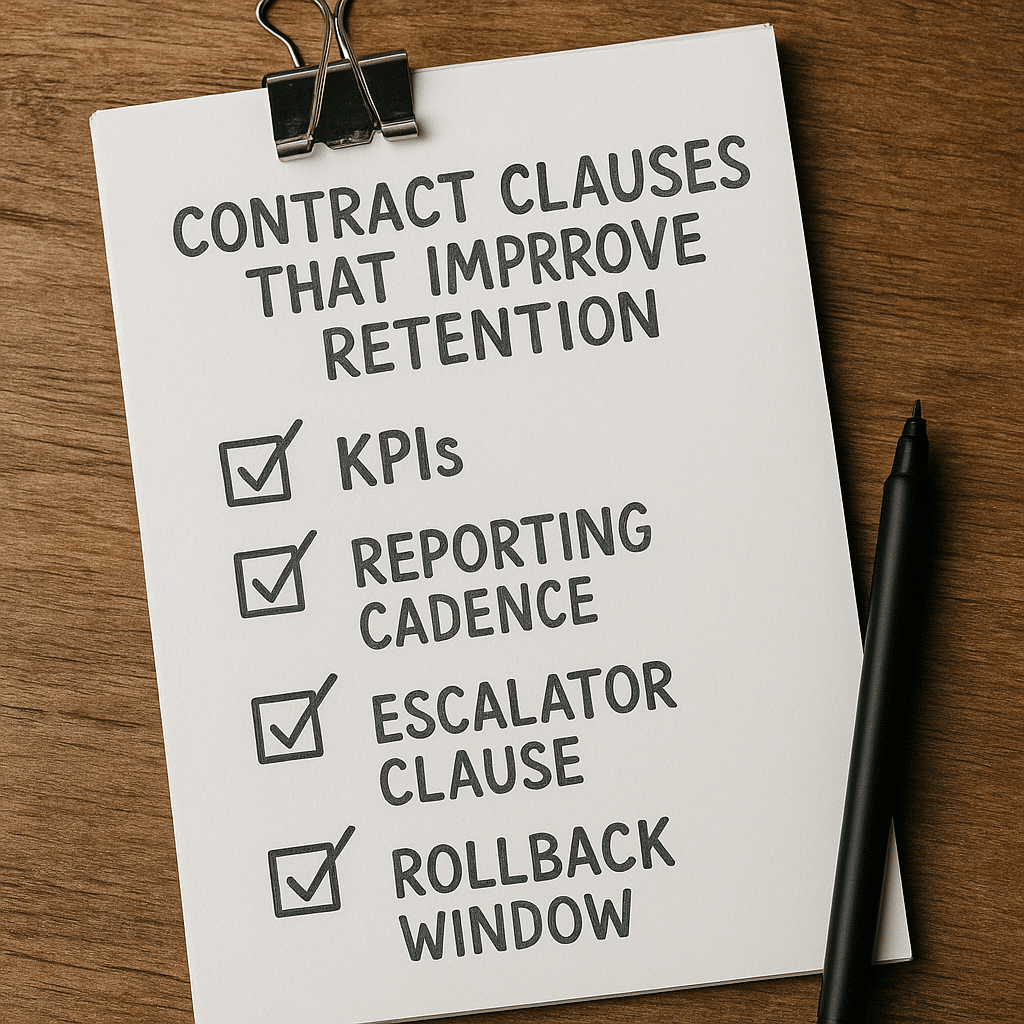
Why it matters: a month-to-month retainer without a commitment to specific milestones invites scope creep and insecurity. Contracts that include performance buckets, service-level definitions, and a 60–90 day check for scope realignment turn adversarial renewals into routine business discussions. One operator trick: include a simple “escalator clause” that ties optional additional deliverables to mutually agreed KPIs, so upsells feel like natural performance extensions rather than surprise invoices.
What good looks like: a contract that lists deliverables in measurable terms, clarifies data ownership, and provides a 30–60 day rollback window for disputed items. What to watch for: agencies that refuse to define a primary KPI in the contract or insist all reporting is “advisory only.”
Lever 3: Tracking Hygiene and Attribution
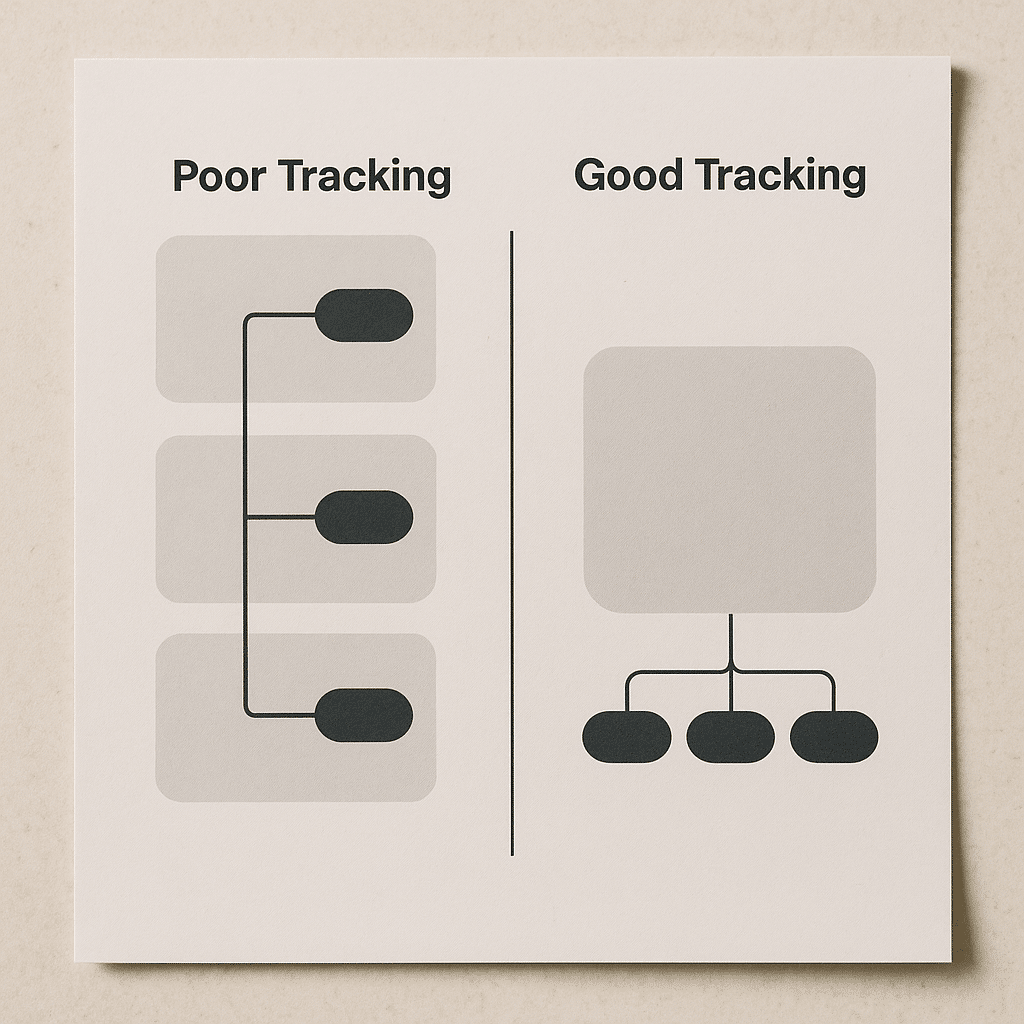
Tracking hygiene is a hygiene problem — left dirty, it causes wrong decisions. A common failure mode is layered tag implementations without a single source of truth. Consequence: your paid spend is blamed for organic gains, internal teams optimize the wrong funnel step, and you chase the wrong audiences.
How it works: consolidate event definitions in one place using a tag manager, define a canonical UTM mapping sheet, and create an event-to-KPI matrix that links GA4 events to contract KPIs. Use Segment or GTM for tag management and maintain a change log in your project tracker. We recommend normalizing event names and keeping logs for 30–90 days depending on traffic volume.
Red flags: inability to produce the UTM mapping spreadsheet and change log within 24–48 hours. If an agency can’t show you the raw GA4 property and an export of the last 90 days of events, demand it before renewing.
Lever 4: Productized Reporting and Actionable Insights
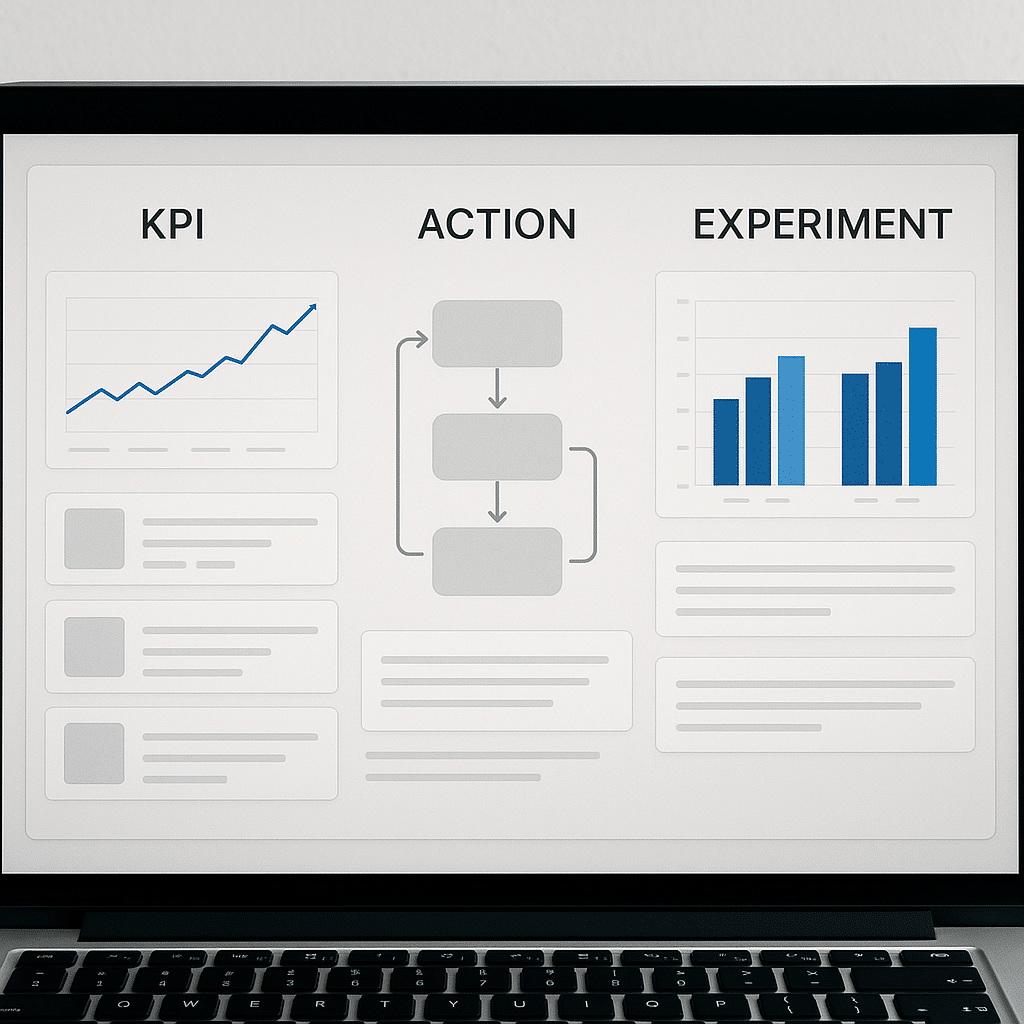
Reports are rarely the problem; the real issue is that reports don’t connect to decisions. Good reporting is productized — predictable, repeatable, and framed around decisions the client must make. That means every weekly or monthly report includes one recommended action, one risk to watch, and one experiment to run.
How to productize reporting: template the output, automate data pulls with GA4 and your CRM, and include a one-slide “so what” with clear next steps. Tools we use include Looker Studio for visual reports and HubSpot or Salesforce for CRM visibility. What looks good: a two-page PDF with raw numbers attached and a one-page executive summary that lists decisions and owners; bad looks like a 20-slide deck of charts without recommendations.
In practice, the pattern on jobs like this is simple: accounts with a single clear decision owner and a one-action report retain longer than accounts where the vendor says “we’ll do more” without specifying which internal stakeholder will execute.
Lever 5: Feedback, NPS, and Structured Winback Paths
Feedback systems are how you learn churn causes before the client leaves. The misconception is that surveys by themselves solve anything. They don’t. The value is in structured follow-up: triage, root cause, and remediation within a defined SLA.
Why follow-up works: a net promoter style pulse is only useful if negative scores trigger an owned remediation path with a timeline — for example, a tactical fix within 7–14 days and a strategic revisit in 30 days. If you skip the follow-up or let issues sit, the failure mode is obvious: complaints accumulate, renewals become price-driven, and winback costs rise dramatically.
Winback playbook: classify churn reasons, attach a play (discount is rarely the best), and test re-entry offers with tight guardrails. If you don’t have at least two scripted winback offers and a way to A/B test them, you’re leaving predictable revenue on the table.

When Should You Fire a Client?
Firing clients is a retention lever that sounds counterintuitive but preserves margins and product-market fit. The actionable rule we follow: if a client consumes more than their committed time without clear ROI alignment for two consecutive billing cycles, it’s time to exit or renegotiate. This preserves service quality for the rest of the book.
What actually happens: agencies that keep resource-draining accounts degrade their playbooks and raise churn risk across the portfolio. A clean exit clause in the contract and a documented transition plan are the professional way to protect both parties.
Image failed to generate
Process flow diagram illustrating the client exit or renegotiation process with timeline and deliverables
Image generation stalled and was auto-recovered. Click Retry to try again.
Real-World Scenario: A 12-Person B2B Agency Migrating to Retainers with a 6-Week Window
Scenario constraints: 12-person team, one dedicated developer, no extra headcount, a 6-week migration window from project-based to retainer model, and pressure to keep revenue flat. The immediate risk is operational overload during the migration and unclear handoffs between project managers and account owners.
Action path we used: first, freeze new project starts for two weeks; second, run a prioritized activation list of three deliverables per client to secure early wins; third, build a one-page SLA template for the retainer. The failure mode if you skip these steps is billing chaos and client confusion that spikes churn at renewal.
Tools and standards to use in this scenario: HubSpot or Salesforce for CRM alignment, Google Analytics 4 for baseline metrics, and a shared UTM spreadsheet stored in version control. If you’re in Arizona and want branding alignment during this move, consider a local Branding Agency In Arizona to speed creative deliverables.
Image failed to generate
Infographic — migration playbook for agencies moving from project-based to retainer including freeze period, activation list, SLA template
Image generation stalled and was auto-recovered. Click Retry to try again.
How to Evaluate Quality: The 12-Point Retention Checklist
Ask these questions when you evaluate an agency or an internal program. Each line is a test that produces a deliverable or a yes/no evidence point.
- Can they produce a GA4 property export and UTM mapping within 48 hours?
- Do they have a documented 14–30 day activation plan for new clients?
- Is the primary KPI in the contract and tied to an escalator clause?
- Do reports include one recommended action and one experiment?
- Is there a 7–14 day remediation SLA for negative feedback?
- Do they maintain a change log for tags and deploys for 30–90 days?
- Can they show three recent “quick wins” with before/after snapshots?
- Is data ownership and exportability stated in the contract?
- Do they provide a scripted winback playbook for churned clients?
- Are there named owners for execution vs advisory items?
- Do they integrate CRM events to GA4 and to the invoice system?
- Can they produce a migration playbook for shifting from projects to retainers?
Red flags are simple: evasive answers, missing raw exports, or refusal to formalize KPIs. If three or more checklist items fail, plan for a remedial quarter before renewing.
Image failed to generate
Checklist diagram for evaluating customer retention quality in agencies — 12-point checklist visualization
Image generation stalled and was auto-recovered. Click Retry to try again.
Practical Tools, Integrations, and Standards to Ask For
Ask for concrete artifacts, not promises. Request the GA4 property ID, the UTM mapping spreadsheet, the change log, a productized report template, and one recorded onboarding call. Tools and specs we reference often include Google Analytics 4, GTM or Segment for tag management, HubSpot or Salesforce for CRM, and Looker Studio for reports. For compliance with marketing laws, check the FTC guidance on email marketing before sending opt-in campaigns.
Integration trade-offs: tight integrations (CRM to GA4 to billing) reduce manual errors but increase initial setup time; lightweight integrations scale faster but require stricter governance. Choose based on your team’s bandwidth and the 6-week windows you may face during migrations. If you’re tying retention to creative investments, a local Graphic Design Agency In Arizona or a Website Redesign Company In Florida can shorten time to visible wins.
External references for deeper reading include authoritative guidance on email marketing from the FTC and analytics implementation notes from Google Analytics Help. For behavioral and economic context on retention strategies, look to industry analysis and practitioner write-ups such as those in Harvard Business Review.
Image failed to generate
Comparison chart showing integration options: tight CRM+analytics vs lightweight integrations and their trade-offs
Image generation stalled and was auto-recovered. Click Retry to try again.
Conclusion: The One Action That Produces the Biggest Lift
The single highest-leverage move is forcing a measurable activation within 14–30 days that the client can see and validate. Do that reliably, pair it with tracking hygiene and a contract that ties work to a KPI, and the rest becomes operational. Next step: run the 12-point checklist with your top five accounts, prioritize accounts that fail three or more items, and fix those items this quarter.
Image failed to generate
Process flow diagram — prioritize top five accounts, run checklist, fix failures, measure retention improvement
Image generation stalled and was auto-recovered. Click Retry to try again.
Frequently Asked Questions
How Fast Should You Expect to See Retention Improvements After Changing Onboarding?
Short answer: Expect visible shifts in client sentiment within the first 30 days and measurable retention behavior over a single renewal cycle; improvements often show as higher engagement and fewer support tickets immediately after activation.
To go deeper, early activation reduces perceived risk which changes behavior quickly. Operationally, measure engagement metrics — meeting attendance, active dashboards, and response time to deliverables — for the first 30 days, then track renewal decisions at the billing milestone.
What’s the Single Biggest Tracking Mistake That Causes Churn?
Short answer: Broken or inconsistent attribution, usually from multiple conflicting tag implementations, is the most common error because it leads to wrong optimizations and missed early wins.
To go deeper, inconsistent UTMs or duplicate tags can misassign conversions to channels. The fix is a canonical UTM spreadsheet, a single tag management strategy using GTM or Segment, and a 30–90 day change log to audit recent deployments.
Can Contract Changes Alone Improve Retention?
Short answer: Not by themselves. Contracts can reduce renewal friction by clarifying expectations, but they must be paired with measurable early delivery and reporting that ties work to ROI.
To go deeper, we’ve seen contracts with clear KPI clauses reduce negotiation time at renewal because both parties can point to objective outcomes. Contracts without KPIs only formalize billing and don’t prevent churn driven by perceived low value.
How Do You Evaluate an Agency’s Productized Reporting?
Short answer: Request a template plus a recent live report and check for a one-slide summary with recommendations, a raw-data export, and a defined owner for each recommended action.
To go deeper, a productized report should include the KPI, the data source, the timestamp, the responsible owner, and a next-step recommendation. If any of those are missing, the report will likely sit unread.
What Does a Good Winback Play Look Like?
Short answer: A two-tier approach: a tactical short-term offer with a defined scope and a strategic re-onboarding path that includes an activation play and a tracking baseline before full re-engagement.
To go deeper, test two scripted re-entry offers and track which sources or messages return higher engagement. Avoid blanket discounts; attach each offer to a measurable micro-goal to validate fit before full-service resumption.
What Red Flags Should Sales Leaders Watch for When Evaluating Retention Performance?
Short answer: Evasive answers to requests for raw data, missing UTM mapping, absent activation timelines, and reports with no owner are the clearest red flags.
To go deeper, ask for the GA4 property export and a UTM mapping sheet up front. If the provider can’t or won’t deliver those artifacts within 48 hours, treat it as a strong indicator of future attribution problems and likely churn.
Evaluation Checklist and Call to Action
Use this short checklist with any vendor or internal team. If three or more items are missing, schedule an immediate remediation sprint.
- Request GA4 property export and UTM mapping
- Confirm a 14–30 day activation plan exists
- See a sample productized report and a one-action summary
- Ask for the contract KPI and any escalator clauses
- Verify a 7–14 day remediation SLA for negative feedback
Next step: run that checklist on your top five accounts this week. If you want help operationalizing activation or integrating CRM events to analytics, we work with local partners for creative and technical speed — for example consider branding services in Arizona or a Florida SEO agency to speed visible wins. For retention automation that includes messaging, evaluate SMS marketing services and AI customer support automation for follow-up workflows. If landing pages are the bottleneck, see landing page design or website redesign.
Useful external references: FTC guidance on email marketing and Google Analytics Help on implementation. For strategic context on retention economics, consult practitioner literature such as Harvard Business Review.
Image failed to generate
Photo — two marketing managers reviewing a one-page activation report together
Image generation stalled and was auto-recovered. Click Retry to try again.
Image failed to generate
Infographic — decision matrix for contract clauses vs retention impact
Image generation stalled and was auto-recovered. Click Retry to try again.
Image failed to generate
Screenshot — example UTM mapping spreadsheet with canonical naming conventions
Image generation stalled and was auto-recovered. Click Retry to try again.